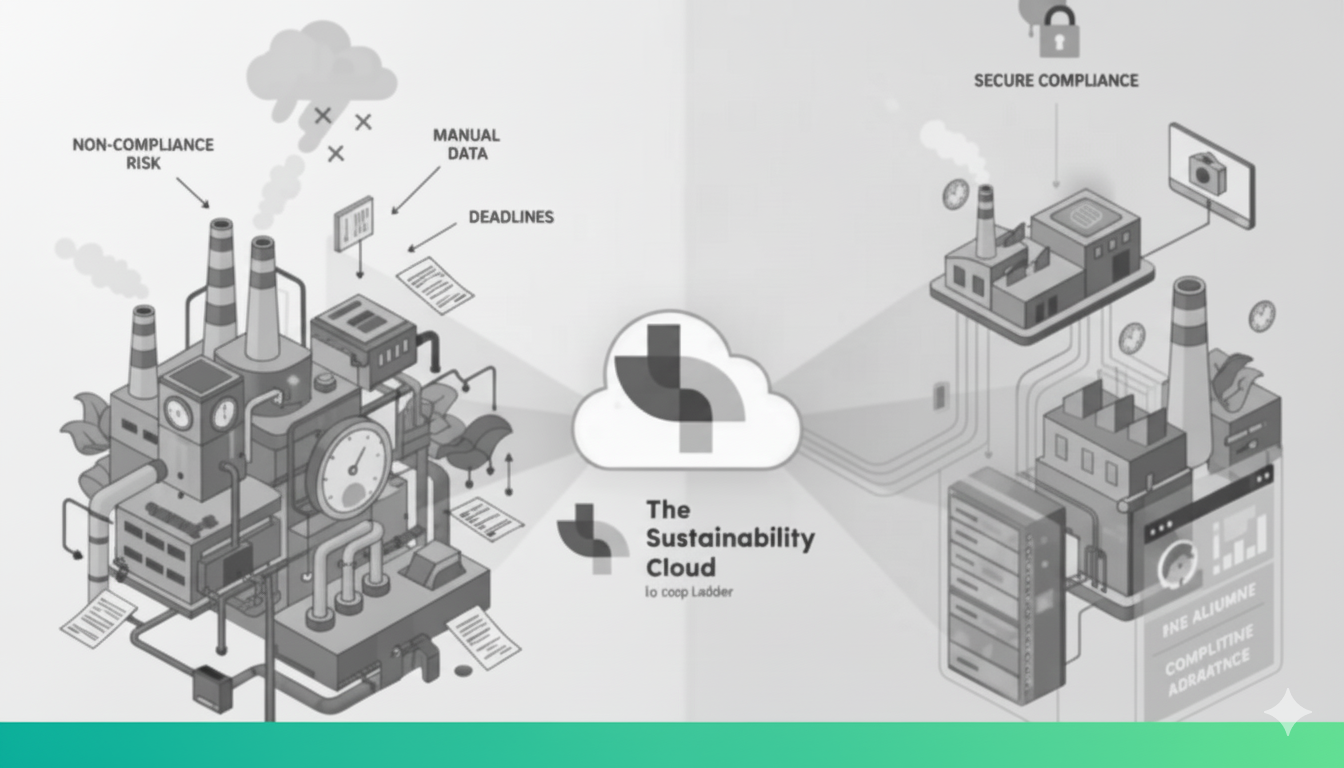
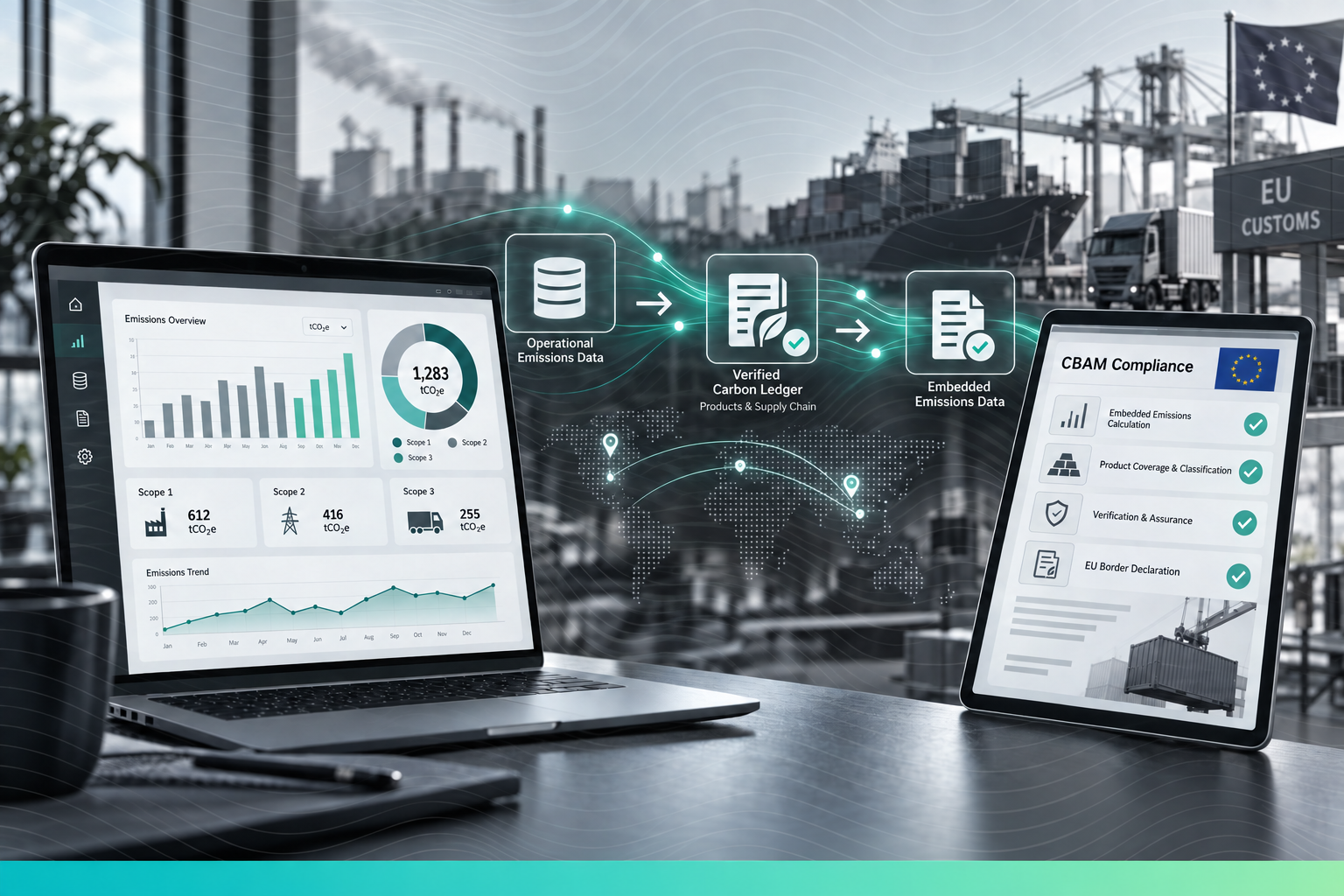
Carbon Accounting to Cross-Border Compliances made easy
Bridge the gap between internal decarbonization and cross-border regulatory demands with TSC and I&S Labha Solutions – built for enterprise-grade
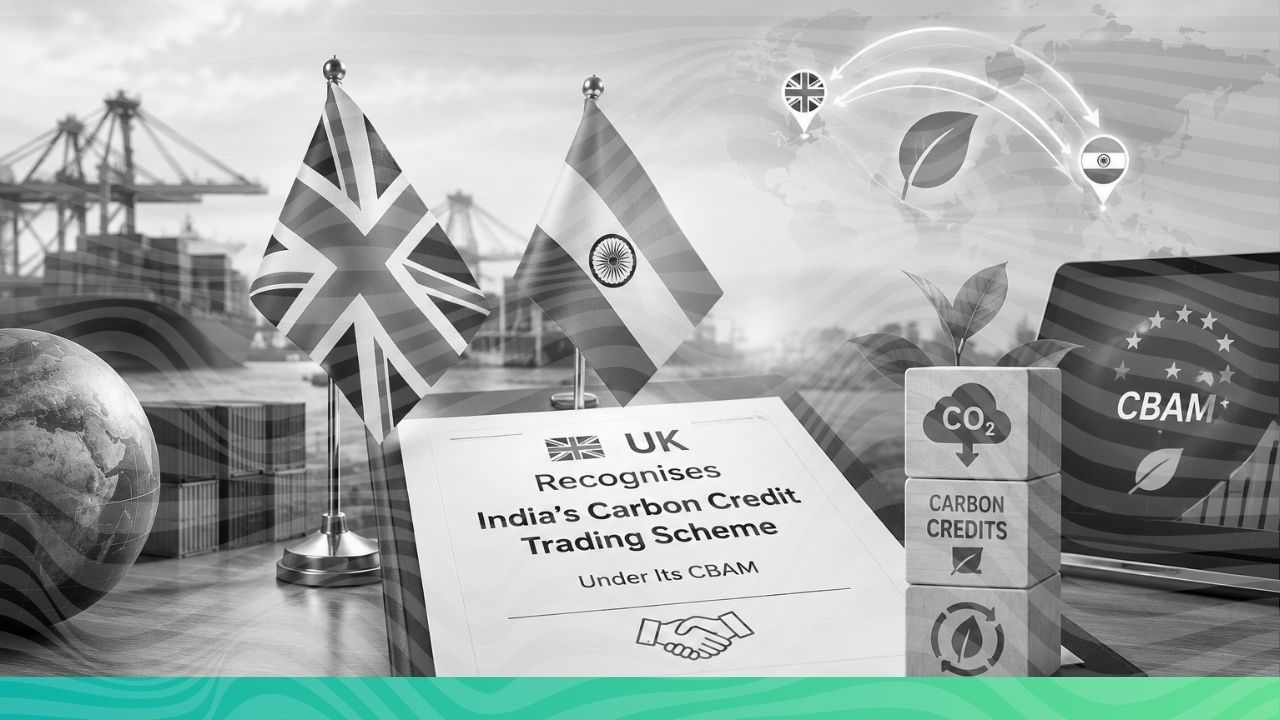
UK Recognises India’s Carbon Credit Trading Scheme Under Its CBAM – What It Means for Indian Exporters
The UK recognises India’s CCTS under UK CBAM. Learn how Indian exporters can prepare audit-ready emissions data and leverage the
Carbon Accounting to Cross-Border Compliances made easy
Bridge the gap between internal decarbonization and cross-border regulatory demands with TSC and I&S Labha Solutions – built for enterprise-grade
UK Recognises India’s Carbon Credit Trading Scheme Under Its CBAM – What It Means for Indian Exporters
The UK recognises India’s CCTS under UK CBAM. Learn how Indian exporters can prepare audit-ready emissions data and leverage the

5 Best practices for EU importers to ensure data accuracy
EU importers have one of the most important roles in ensuring data accuracy for

Universal Net Zero aims for corporates: Benefits, challenges and solutions for business gains
Climate change has started to impact businesses, communities and organisations in their day-to-day operations.

What is NetZero?
The earth’s temperature is rising. The result is erratic and uneven weather conditions resulting

India’s carbon market revolution: sustainable growth with climate-conscious economy
A bird’s eye view of how India is establishing its own carbon market

Kuwait’s ESG moment has arrived – and the companies that act now will lead it
Across Kuwait’s capital markets, ESG reporting is shifting from a good intention to a

CCTS explained: Everything you need to know about India’s new Carbon Credit Trading Scheme
This blog talks about the newly introduced Carbon Credit Trading Scheme (CCTS) policy rolled

Role of IoT in manufacturing industries
Discover how IoT transforms manufacturing—boosting asset uptime, predictive maintenance, energy management, and inventory tracking
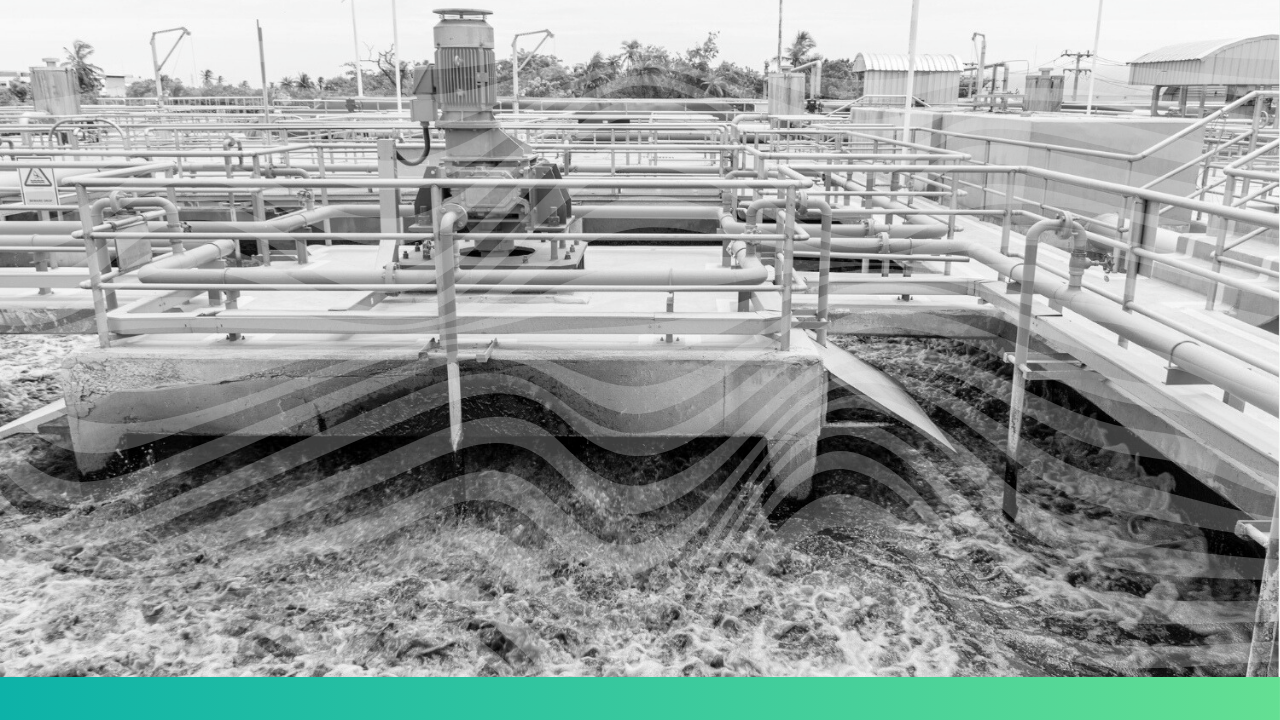
Online Monitoring of Wastewater in the Common Effluent Treatment Plant
Real-time wastewater monitoring in Effluent Treatment Plants (ETPs) helps industries track pollution, stay compliant,
Carbon Accounting to Cross-Border Compliances made easy
Bridge the gap between internal decarbonization and cross-border regulatory demands with TSC and I&S Labha Solutions – built for enterprise-grade accuracy, auditability, and speed.
UK Recognises India’s Carbon Credit Trading Scheme Under Its CBAM – What It Means for Indian Exporters
The UK recognises India’s CCTS under UK CBAM. Learn how Indian exporters can prepare audit-ready emissions data and leverage the UK CBAM India CCTS alignment for carbon price relief.
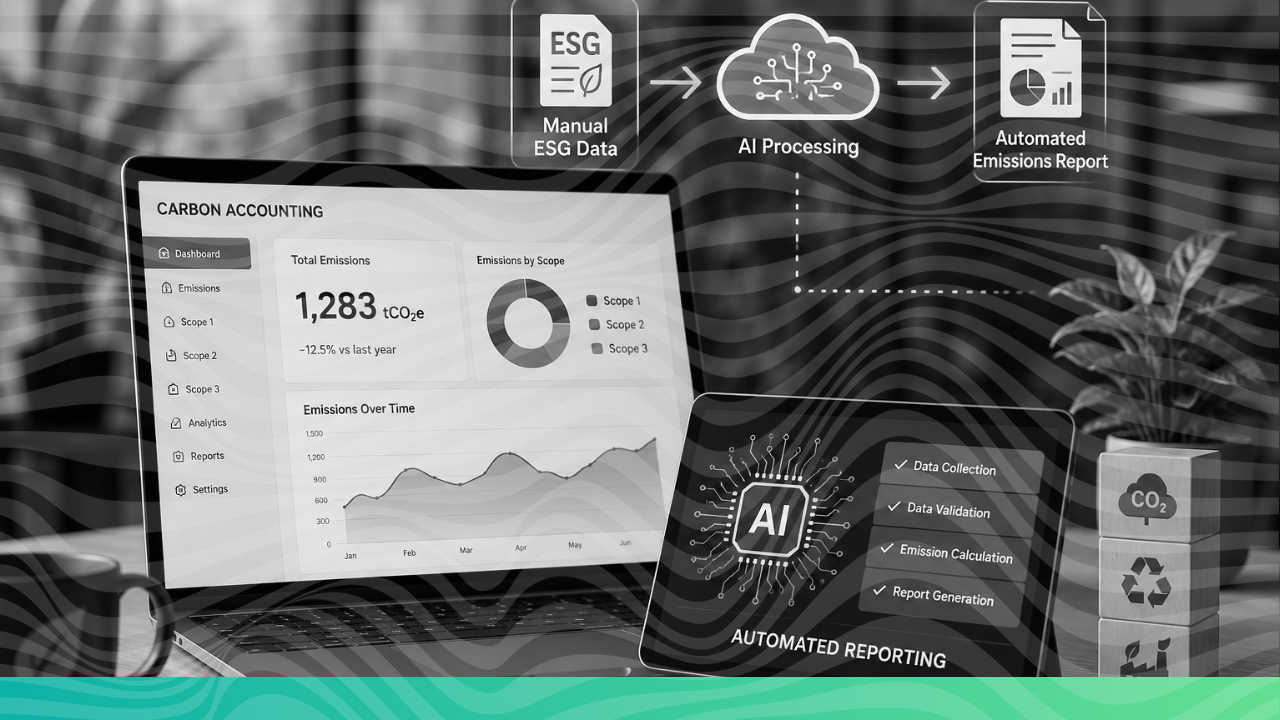
How AI Is Changing Carbon Accounting in 2026: From Manual ESG Data to Automated Emissions Reporting
A visual breakdown of how AI carbon accounting transforms manual ESG data collection into automated, real-time emissions reporting for CSRD and CBAM compliance.

CBAM Default Values vs. Actual Emissions in 2026: How Much Can Exporters Save?
Discover how reporting actual emissions instead of EU CBAM default values saves steel and cement exporters over 45% on carbon taxes starting 2026.

Best UK CBAM Software Solutions for Global Exporters (2026/2027 Comparison)
As EU CBAM enters its definitive phase and UK CBAM approaches in 2027, global exporters face unprecedented compliance requirements. Discover the top CBAM software solutions for 2026/2027—comparing dedicated engines, enterprise ERP add-ons, general ESG tools, and manual processes to streamline emissions reporting.

EU CBAM Technical Rules Guide: Indirect Emissions, Precursor Traceability, De Minimis Rules, and the 2026 Action Checklist
Mastering the EU CBAM technical rules is essential as the definitive phase of the European Union’s Carbon Border Adjustment Mechanism (CBAM) introduces granular, product-specific technical rules that extend deep into international supply chains.

The EU CBAM Definitive Regime: Understanding the Shift to Verification, Pricing, and Financial Obligations
As the EU CBAM enters its definitive regime on 1 January 2026, compliance shifts from quarterly reporting to mandatory emissions verification, direct carbon pricing, and annual declarations. Learn how global exporters can navigate mandatory third-party audits, certificate surrender deadlines, and net-liability formulas to stay compliant and protect profit margins.

How Global Exporters Can Prepare for UK CBAM: A Step-by-Step Compliance Guide
With the United Kingdom’s Carbon Border Adjustment Mechanism (UK CBAM) set to take effect on 1 January 2027, international manufacturers can no longer treat carbon accounting as a back-burner task. UK importers will soon face direct financial liabilities based on the embedded greenhouse gas emissions of products entering the country.

UK CBAM Complete Guide 2027: What Exporters Need to Know About the UK’s Carbon Border Adjustment Mechanism
As global climate policies reshape international trade, the United Kingdom (UK) is preparing to roll out its own Carbon Border Adjustment Mechanism (UK CBAM) on 1 January 2027.