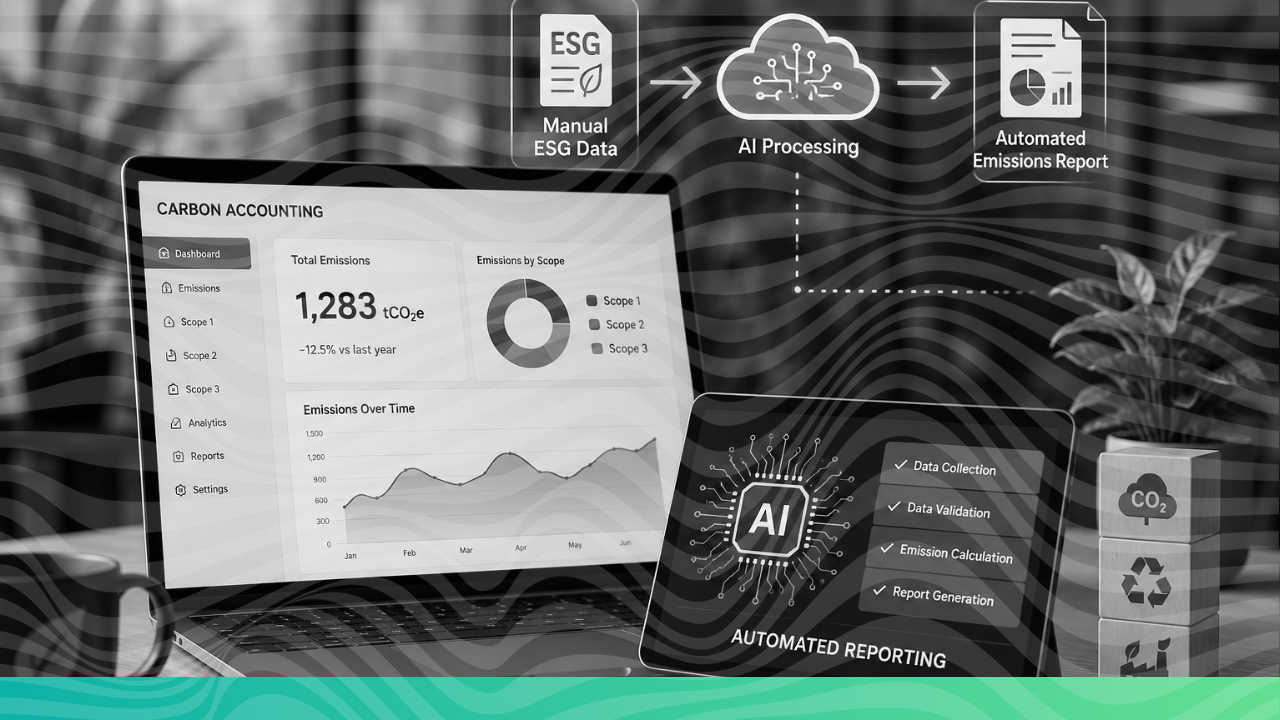
How AI Is Changing Carbon Accounting in 2026: From Manual ESG Data to Automated Emissions Reporting
A visual breakdown of how AI carbon accounting transforms manual ESG data collection into automated, real-time emissions reporting for CSRD

CBAM Default Values vs. Actual Emissions in 2026: How Much Can Exporters Save?
Discover how reporting actual emissions instead of EU CBAM default values saves steel and cement exporters over 45% on carbon
How AI Is Changing Carbon Accounting in 2026: From Manual ESG Data to Automated Emissions Reporting
A visual breakdown of how AI carbon accounting transforms manual ESG data collection into automated, real-time emissions reporting for CSRD
CBAM Default Values vs. Actual Emissions in 2026: How Much Can Exporters Save?
Discover how reporting actual emissions instead of EU CBAM default values saves steel and cement exporters over 45% on carbon

Carbon Accounting & 3 Scopes of GHG Protocol
Recognize the fact that fossil fuels are the main driver of global warming-induced climate
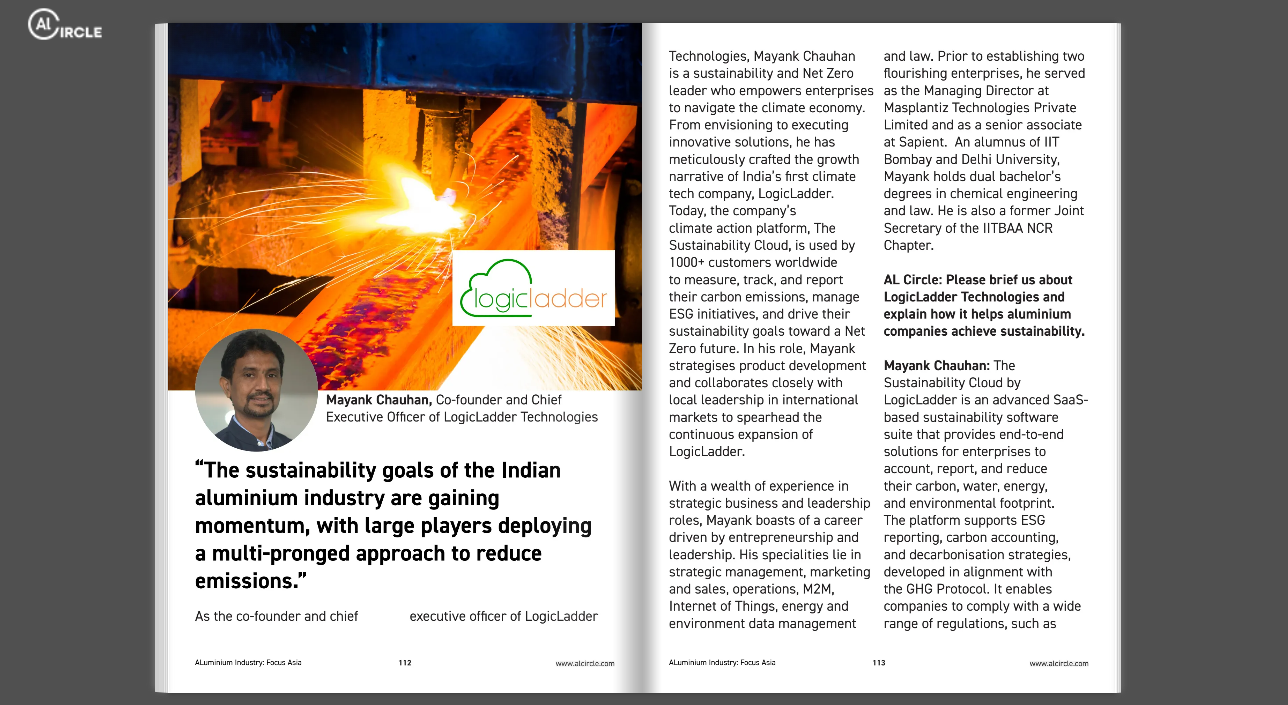
Aluminium sector needs to look beyond adopting low-carbon energy solutions
In an insightful interview with AlCircle, Mayank Chauhan, co-founder and CEO, LogicLadder Technologies, discusses

The EU CBAM Definitive Regime: Understanding the Shift to Verification, Pricing, and Financial Obligations
As the EU CBAM enters its definitive regime on 1 January 2026, compliance shifts

CBAM for iron and steel: All you need to know
An outline of how CBAM affects non-EU exporters of iron and steel products.

5 Reasons exporters need a CBAM reporting tool
The Carbon Border Adjustment Mechanism (CBAM) demands complex emissions data from non-EU exporters for

Best UK CBAM Software Solutions for Global Exporters (2026/2027 Comparison)
As EU CBAM enters its definitive phase and UK CBAM approaches in 2027, global

5 Best practices for EU importers to ensure data accuracy
EU importers have one of the most important roles in ensuring data accuracy for

How to select a CBAM reporting software? 5 things to consider
As the world becomes more carbon-conscious, the European Union introduced the Carbon Border Adjustment
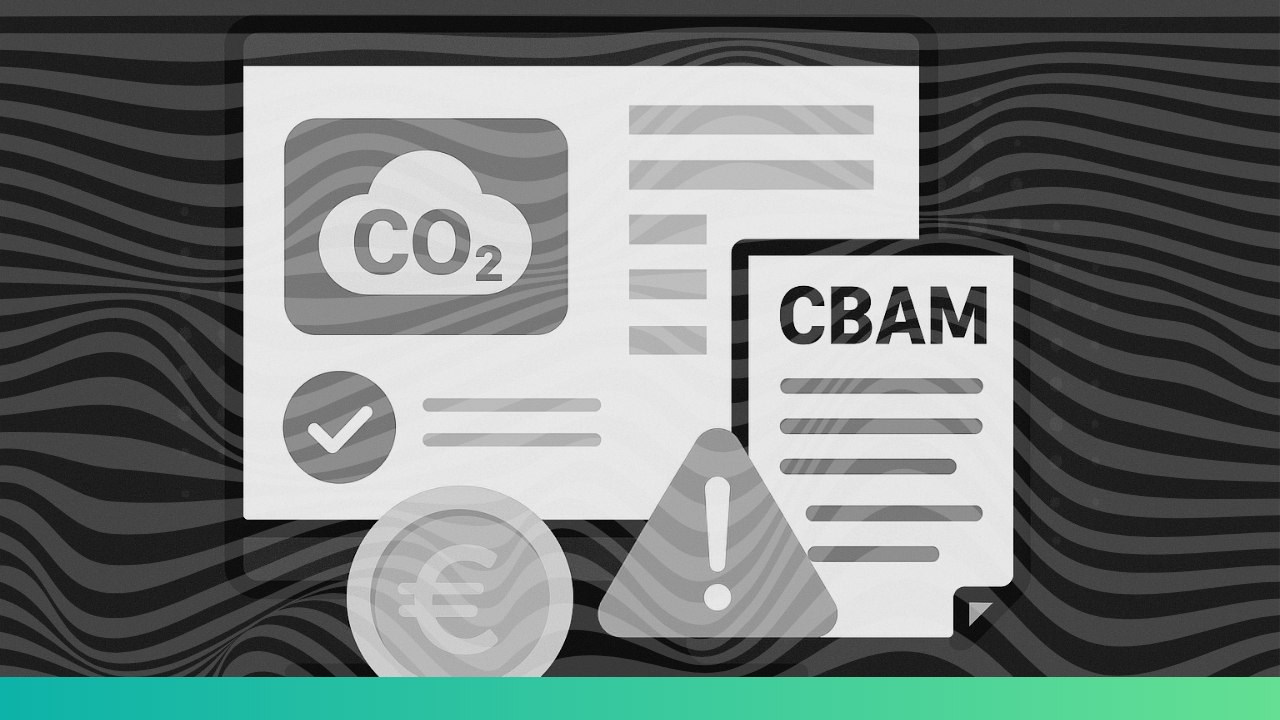
CBAM Tax 2026: Act now to avoid massive penalties
The CBAM definitive regime begins January 1, 2026, making compliance mandatory. Non-compliance can trigger heavy CBAM tax penalties, blocked trade, and loss of market access. Discover how businesses can prepare with advanced CBAM tracking software.
CSO’s guide to top 5 best BRSR software platforms in 2025: Features and Comparison
The Business Responsibility and Sustainability Report (BRSR), mandated by SEBI demands ESG disclosures aligned with global standards. This blog lists down the top 5 BRSR reporting tools, an organization can trust upon for their BRSR reporting.
Master BRSR reporting: Best practical BRSR step by step guide
The Business Responsibility and Sustainability Report (BRSR), India’s mandatory ESG disclosure framework for the top 1,000 listed companies, requires over 1,200 data points across various departments. This guide offers a clear, step-by-step approach to filing the BRSR, covering general disclosures, management processes, and principle-wise performance indicators. Perfect for organisations aiming to strengthen sustainability practices and meet SEBI compliance efficiently.

Are you making these 5 common BRSR report filing mistakes?
Filing the BRSR report can be overwhelming for sustainability officers due to challenges like incomplete data, unclear materiality assessments, vague qualitative metrics, irregular supplier information, and a lack of system integration. This blog highlights five common reporting mistakes companies make and how to avoid them to ensure accurate, compliant, and strategic ESG disclosures.
BRSR reporting fundamentals every Indian company must know
BRSR Reporting is now a legal and strategic necessity for India’s top listed companies. This blog breaks down the Business Responsibility and Sustainability Report (BRSR) framework, its evolution, core disclosures, challenges, and compliance benefits.

GRI vs. New ESG Reporting Frameworks: Outdated or Still Essential?
Is GRI still relevant in today’s evolving ESG Reporting landscape dominated by CSRD and IFRS? This blog unpacks the enduring value of the Global Reporting Initiative (GRI), its unique impact materiality approach, and why leading companies continue to rely on it for ESG reporting. You’ll explore how GRI compares with newer frameworks, where it stands out, and how it supports global benchmarks and SDG alignment—especially for businesses navigating complex regulatory environments.

ESG reporting in KSA: Time to reinvent traditional ESG consulting?
ESG reporting in KSA is evolving and businesses are struggling to decide the right approach to ESG reporting. This blog debates the pros and cons of traditional ESG consulting Vs digitized consulting.
The 3 most important documents for CCTS Application
The Carbon Credit Trading Scheme (CCTS) has been launched in India. It involves multiple steps involving various stakeholders. This blog outlines the three most important documents to prepare for a successful CCTS application.

A practical 10-step guide to navigating CCTS India
The Carbon Credit Trading Scheme also known as CCTS India, involves multiple steps engagement with various stakeholders at every stage. This blog is a step-by-step guide on how to participate in the carbon credit trading scheme and leverage India’s emerging carbon market.