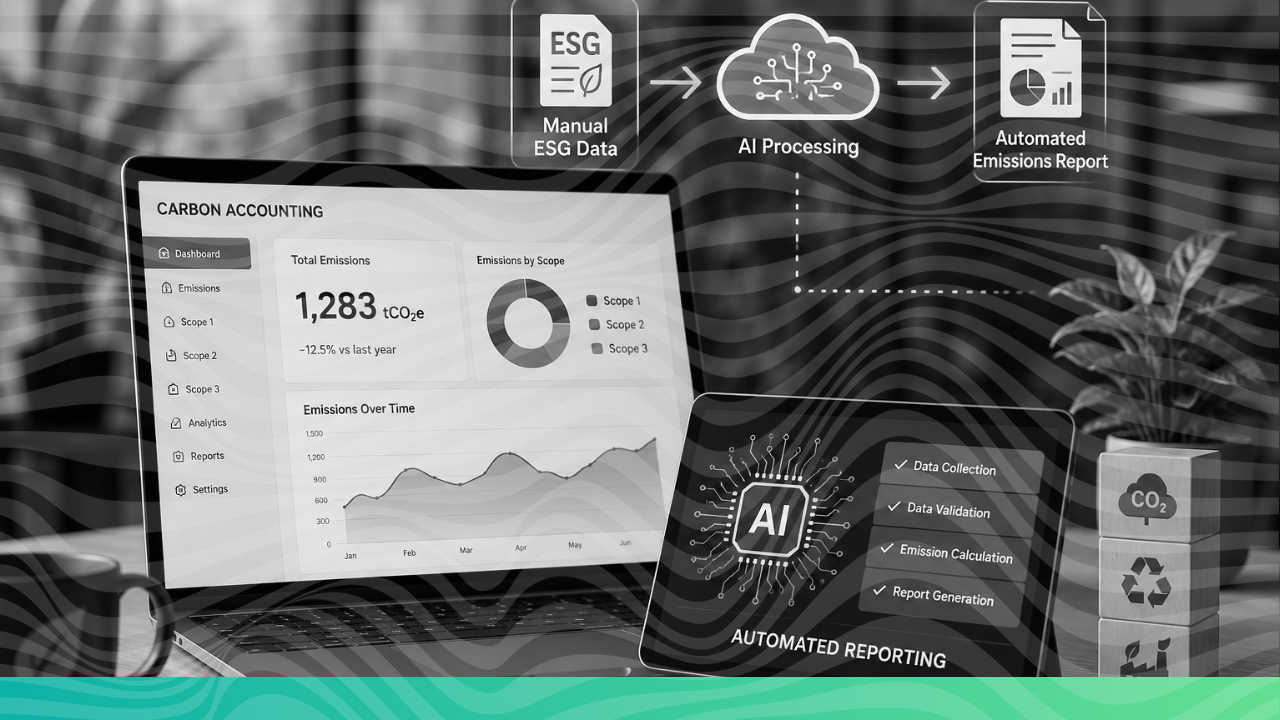
How AI Is Changing Carbon Accounting in 2026: From Manual ESG Data to Automated Emissions Reporting
A visual breakdown of how AI carbon accounting transforms manual ESG data collection into automated, real-time emissions reporting for CSRD

CBAM Default Values vs. Actual Emissions in 2026: How Much Can Exporters Save?
Discover how reporting actual emissions instead of EU CBAM default values saves steel and cement exporters over 45% on carbon
How AI Is Changing Carbon Accounting in 2026: From Manual ESG Data to Automated Emissions Reporting
A visual breakdown of how AI carbon accounting transforms manual ESG data collection into automated, real-time emissions reporting for CSRD
CBAM Default Values vs. Actual Emissions in 2026: How Much Can Exporters Save?
Discover how reporting actual emissions instead of EU CBAM default values saves steel and cement exporters over 45% on carbon

7 ways to save energy in office
Energy is a big deal, as it makes things happen. Defined as – the

Top 10 ML/AI use cases in Manufacturing Industries
Explore the top 10 AI/ML use cases transforming manufacturing—from predictive maintenance to energy forecasting—in
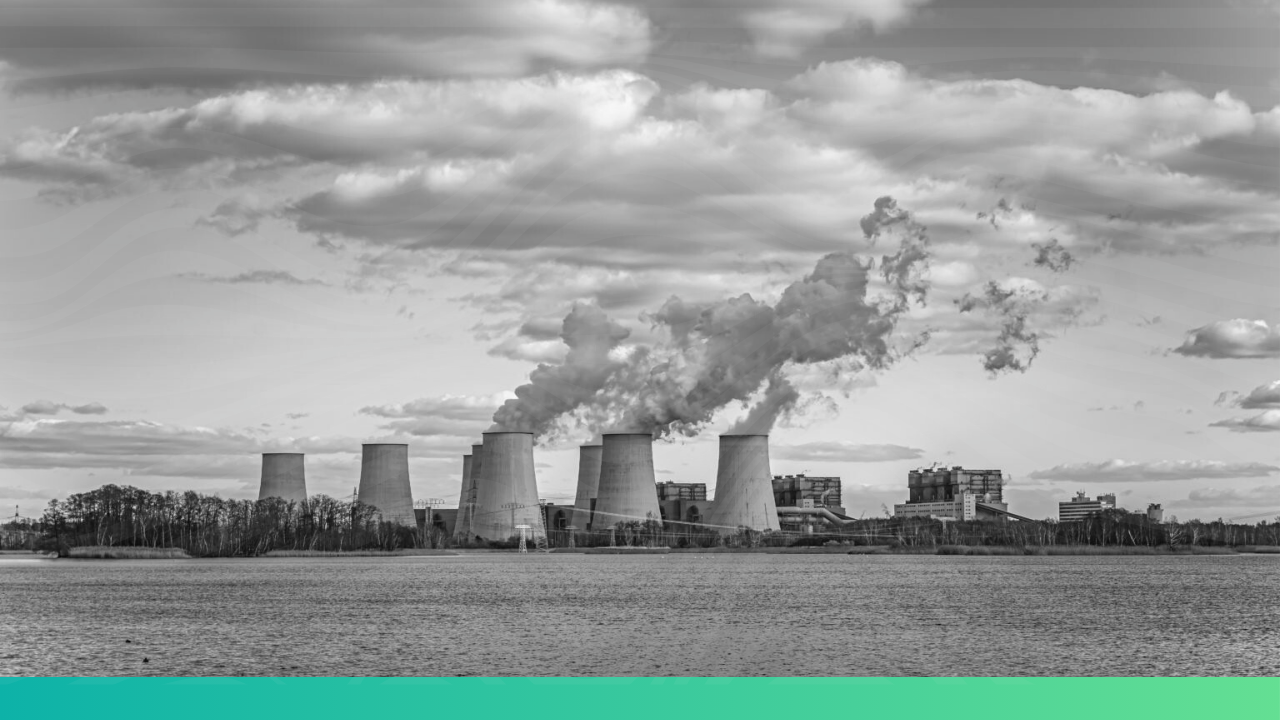
Preparing for CBAM audits: Best practices for EU importers
EU importers are mandated to conduct a proper emissions data audit and cross-verify the
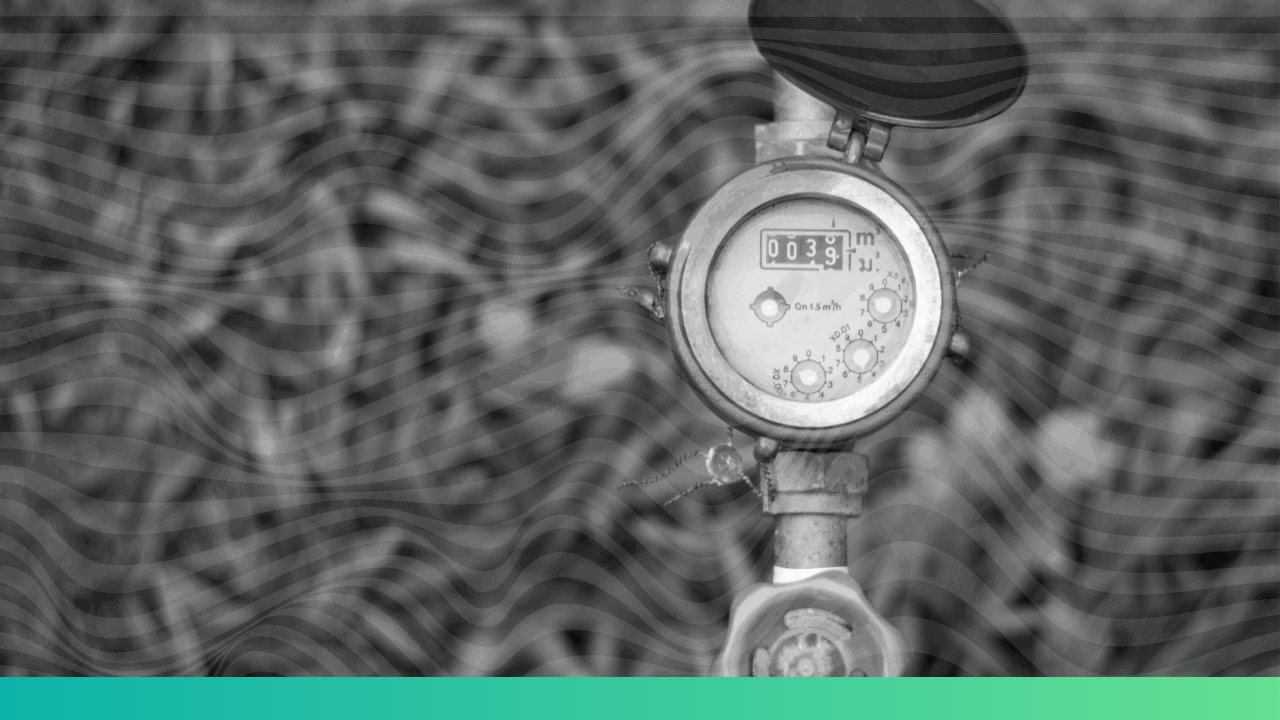
Digital Water Flowmeter with Telemetry System for Groundwater Monitoring Compliance
Learn how an IoT-ready digital flowmeter with telemetry simplifies groundwater extraction monitoring, enhances compliance,

CBAM compliance: Streamlining reporting for European fastener distributors
The European Fasteners Distributors Association (EFDA) has introduced a guidebook for non-EU suppliers of

5 Reasons exporters need a CBAM reporting tool
The Carbon Border Adjustment Mechanism (CBAM) demands complex emissions data from non-EU exporters for
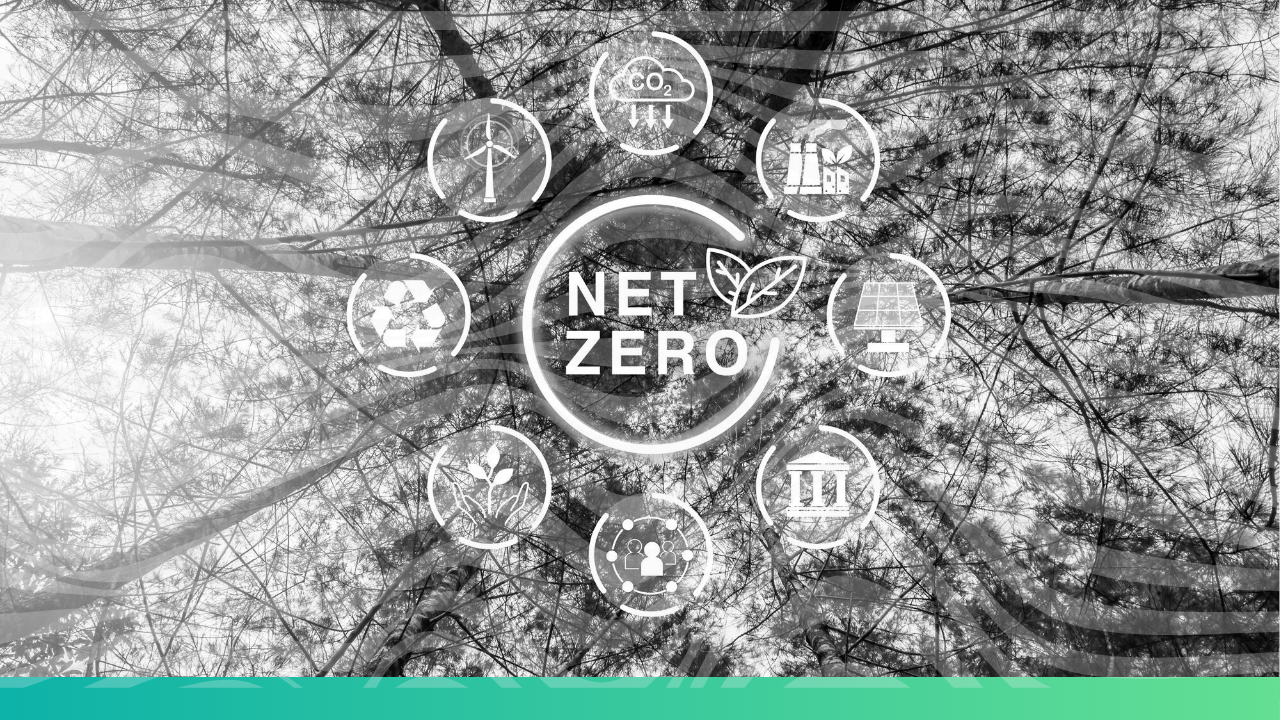
Universal Net Zero aims for corporates: Benefits, challenges and solutions for business gains
Climate change has started to impact businesses, communities and organisations in their day-to-day operations.

CPCB and SPCB guidelines for CEMS and SPM
CPCB and SPCB: An overview of regulatory guidelines for pollution control and monitoring air
Causes and prevention of Groundwater Pollution
Groundwater pollution in India stems from both natural sources like arsenic and fluoride, and human activities such as poor sewage, industrial leakage, and pesticide overuse. This article breaks down key causes and offers practical solutions like land zoning, telemetry systems, and stronger regulations. It also highlights how individuals and industries can work together to protect this vital resource.

CGWA NOC | How to get NOC from CGWA?
If your company extracts more than 10 cubic meters of groundwater a day, you must get an NOC from CGWA. This step-by-step guide helps you apply for the NOC and understand the documents and follow-up actions needed. Avoid penalties and stay compliant by installing the required IoT-based groundwater monitoring system.

Artificial Recharge of Groundwater
The growing demand for groundwater due to the ever-rising global population has encouraged us to look for means to suffice it. Along with the efforts for managing groundwater, its resources,
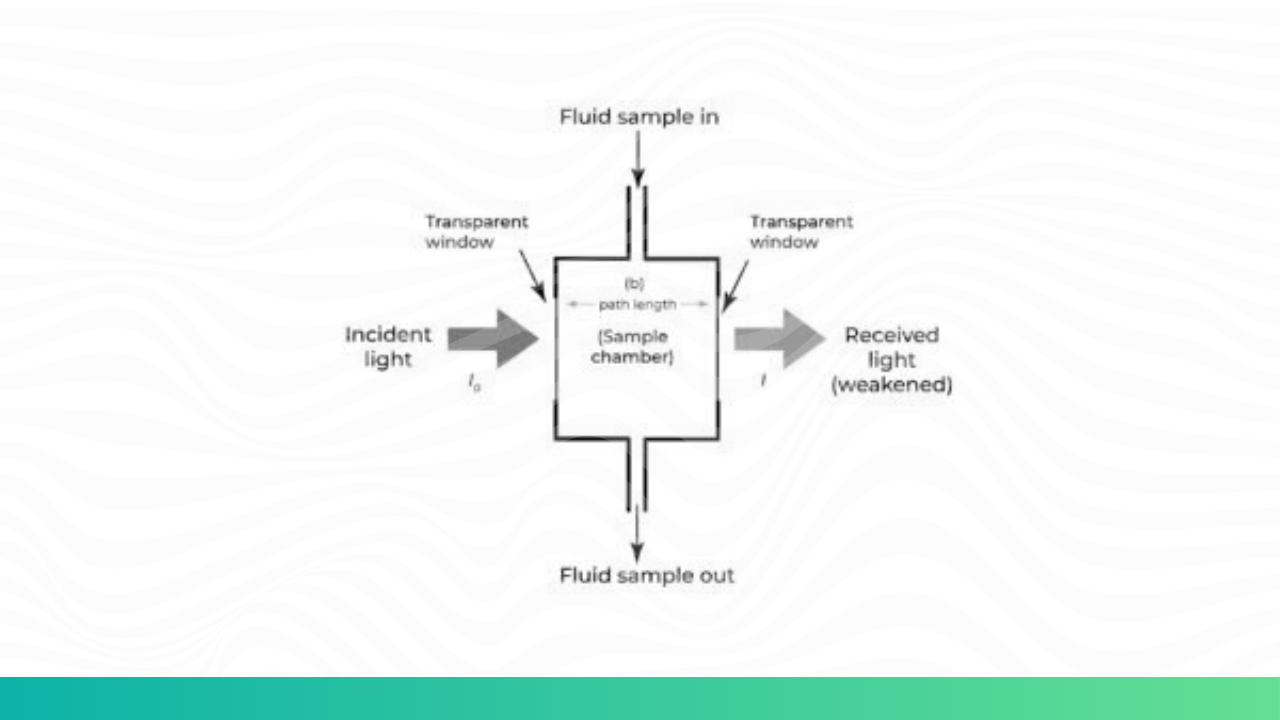
How do Flue Gas Analyzers work?
A gas analyzer is a device used in Continuous Emission Monitoring Systems(CEMS) for analysis of stack emissions for its regulation and control. In this article, you’ll know how a flue/stack

How Groundwater is recharged?
Have you ever wondered the water you drink where it comes from? The fresh drinking water originates from rain and snow-melt and gets stored in the region called aduifers lying

Latest CGWA Guidelines on Groundwater Monitoring
This article will share details on the Latest CGWA Guidelines issued by the regulatory body on the groundwater monitoring process. Central Ground Water Authority(CGWA) is a statutory body of India

Save Energy Consumption of HVAC with Efficient Lightening
We all know that energy can neither be created nor be destroyed, it’s just converted from one form to another. But this does require effort and expenditure for that conversion

Dubai Clean Energy Strategy 2050
Dubai’s Clean Energy Strategy 2050 is a bold plan to generate 75% of the city’s energy from clean sources by mid-century. Backed by massive solar infrastructure, strong policy, and global partnerships, it’s a model for climate action in arid regions. As Dubai’s population grows, this vision shows how cities can scale sustainably.
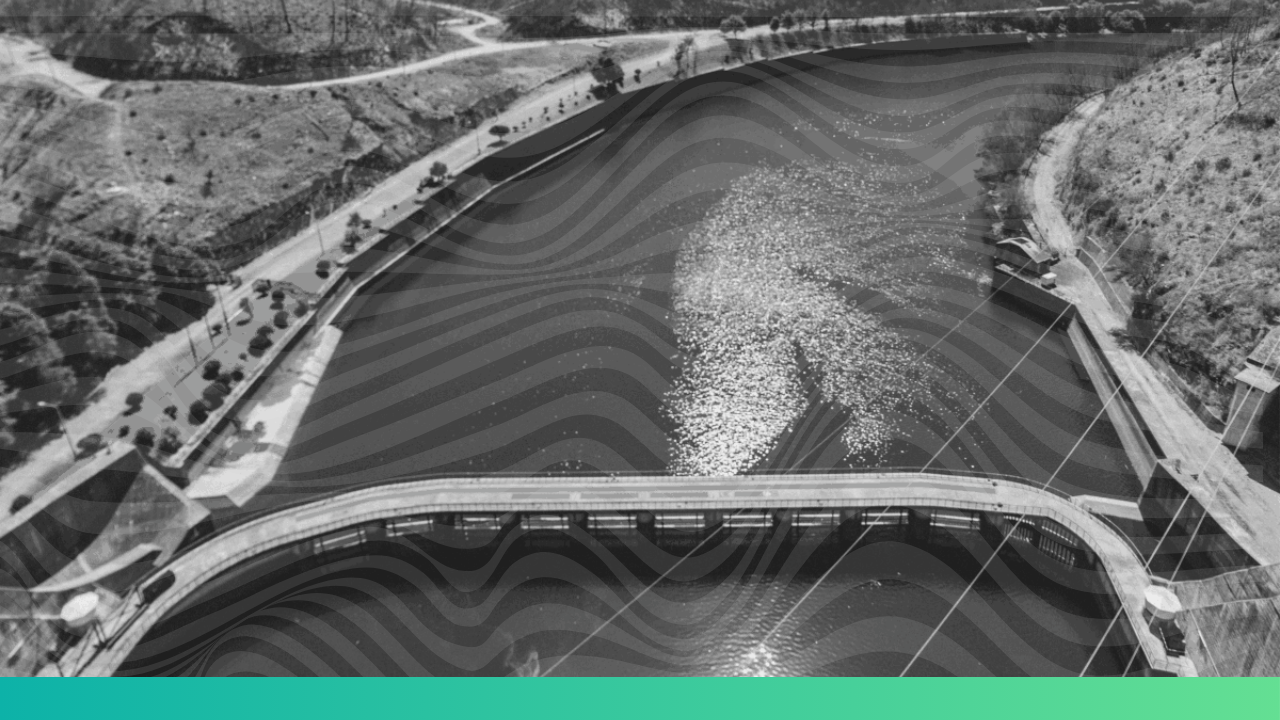
Why groundwater management is important?
There’s an urgent need to address the issue of groundwater scarcity all around the world. As per a report of June 2019, 65% of the total groundwater reservoirs in India