How AI Is Changing Carbon Accounting in 2026: From Manual ESG Data to Automated Emissions Reporting
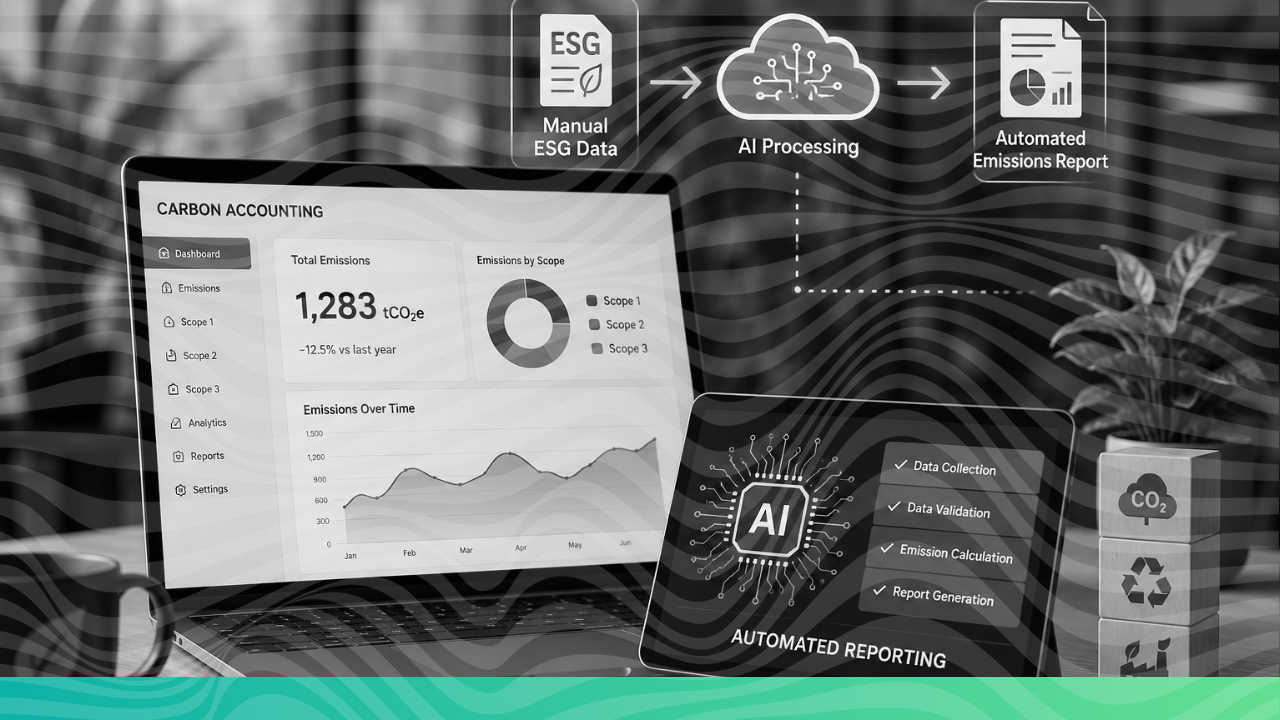
A visual breakdown of how AI carbon accounting transforms manual ESG data collection into automated, real-time emissions reporting for CSRD
CBAM Default Values vs. Actual Emissions in 2026: How Much Can Exporters Save?
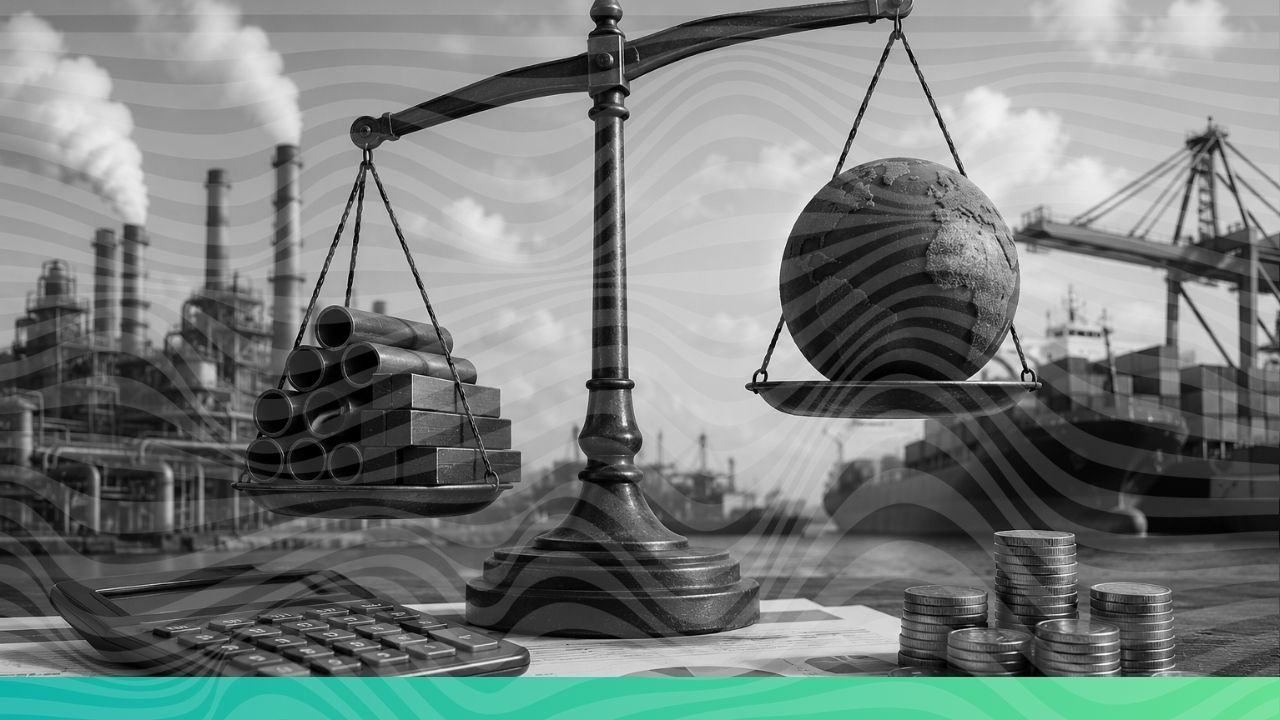
Discover how reporting actual emissions instead of EU CBAM default values saves steel and cement exporters over 45% on carbon
How AI Is Changing Carbon Accounting in 2026: From Manual ESG Data to Automated Emissions Reporting
A visual breakdown of how AI carbon accounting transforms manual ESG data collection into automated, real-time emissions reporting for CSRD
CBAM Default Values vs. Actual Emissions in 2026: How Much Can Exporters Save?
Discover how reporting actual emissions instead of EU CBAM default values saves steel and cement exporters over 45% on carbon

What is Sustainable Development?
We want to see our world developing and new innovations and discoveries taking place.

Top 10 ML/AI use cases in Manufacturing Industries
Explore the top 10 AI/ML use cases transforming manufacturing—from predictive maintenance to energy forecasting—in
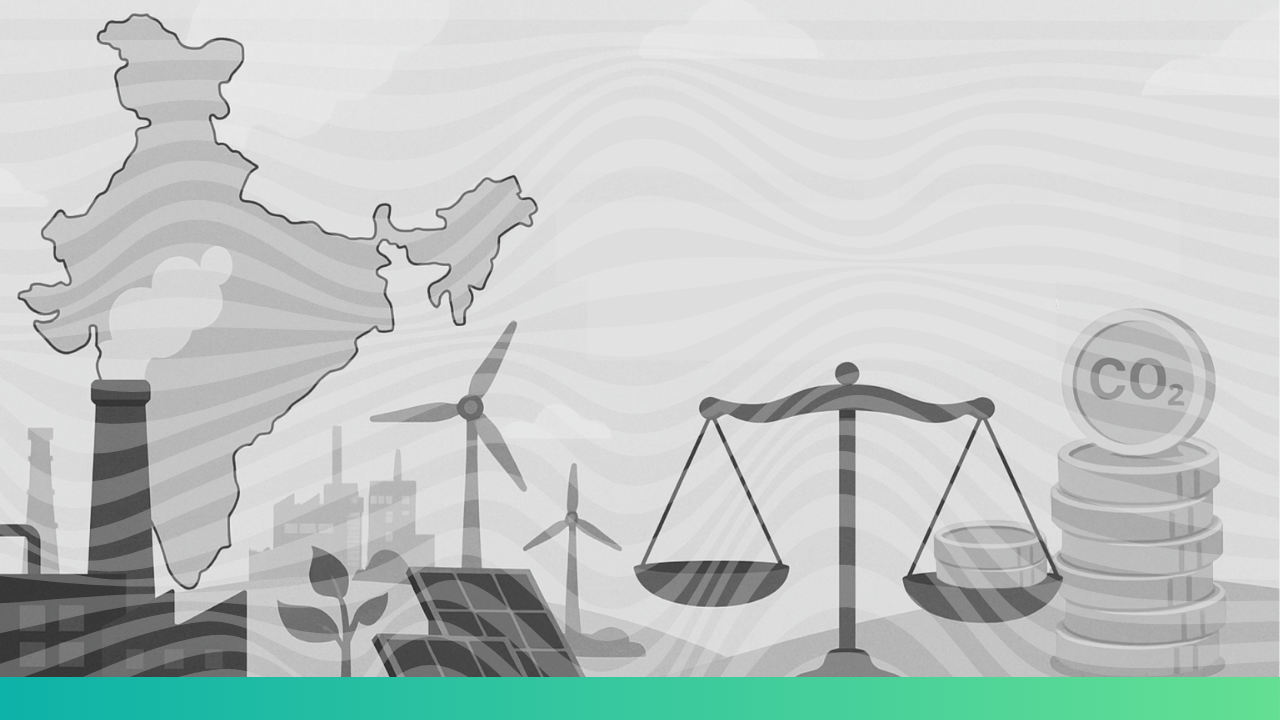
CCTS explained: Everything you need to know about India’s new Carbon Credit Trading Scheme
This blog talks about the newly introduced Carbon Credit Trading Scheme (CCTS) policy rolled
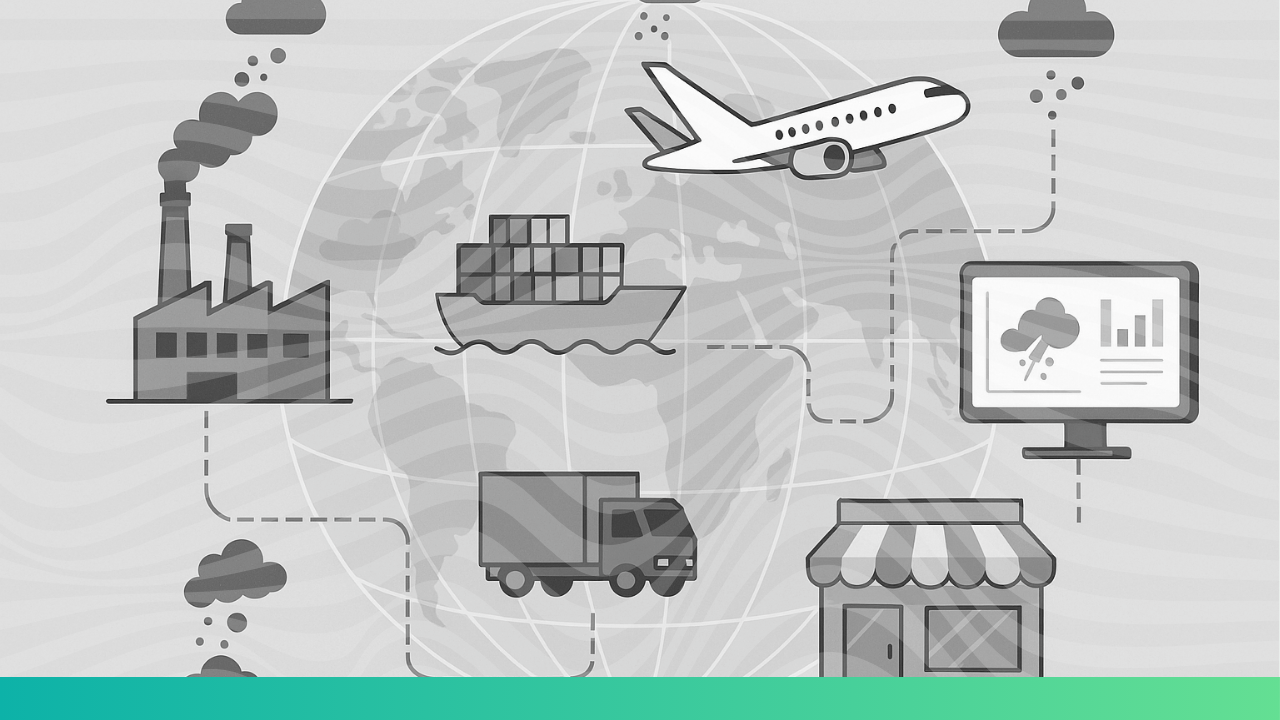
5 tactics to outpace peers in Scope 3 emissions reporting
A guide for organisations about features they should look for while searching for carbon

CIO’s guidebook to buy sustainability management software
CIOs face challenges in selecting sustainability management software by evaluating its effectiveness in meeting
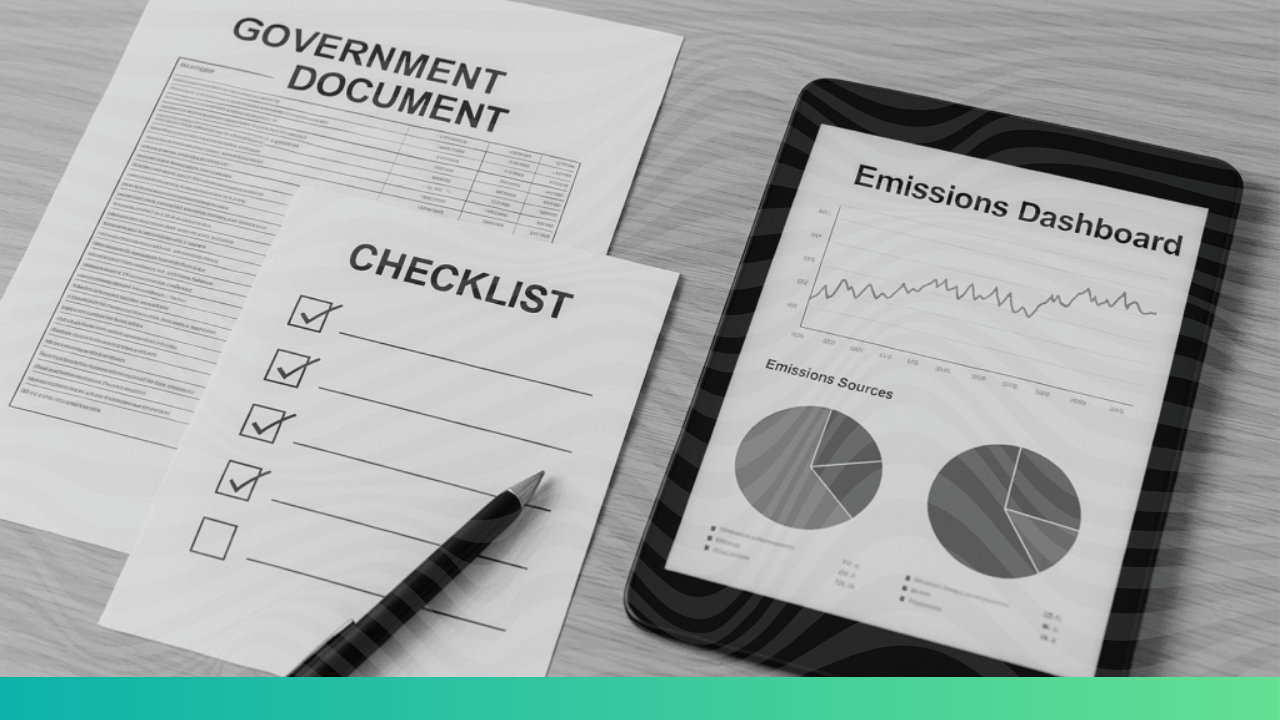
The 3 most important documents for CCTS Application
The Carbon Credit Trading Scheme (CCTS) has been launched in India. It involves multiple

LogicLadder awarded at BIXPO 2017
LogicLadder awarded at BIXPO 2017, Gwangju, South Korea We are proud to announce that LogicLadder has
CBAM Default Values vs. Actual Emissions in 2026: How Much Can Exporters Save?
Discover how reporting actual emissions instead of EU CBAM default values saves steel and

12 challenges faced by EU importers under CBAM
Carbon Border Adjustment Mechanism and 12 major challenges for EU importers and EU traders. This blog identifies all significant challenges that an importer of goods entering the European Union faces during the Transitional Phase 1 and Definitive Regime with emphasis on the EU’s supply chains.
CIO’s guidebook to buy sustainability management software
CIOs face challenges in selecting sustainability management software by evaluating its effectiveness in meeting environmental goals. Key parameters include industry fit, software efficiency, integration capabilities, and ease of use. They must also consider how well the tool aligns with company-specific sustainability objectives and overall IT functions, ensuring it helps accurately measure and reduce environmental impact.
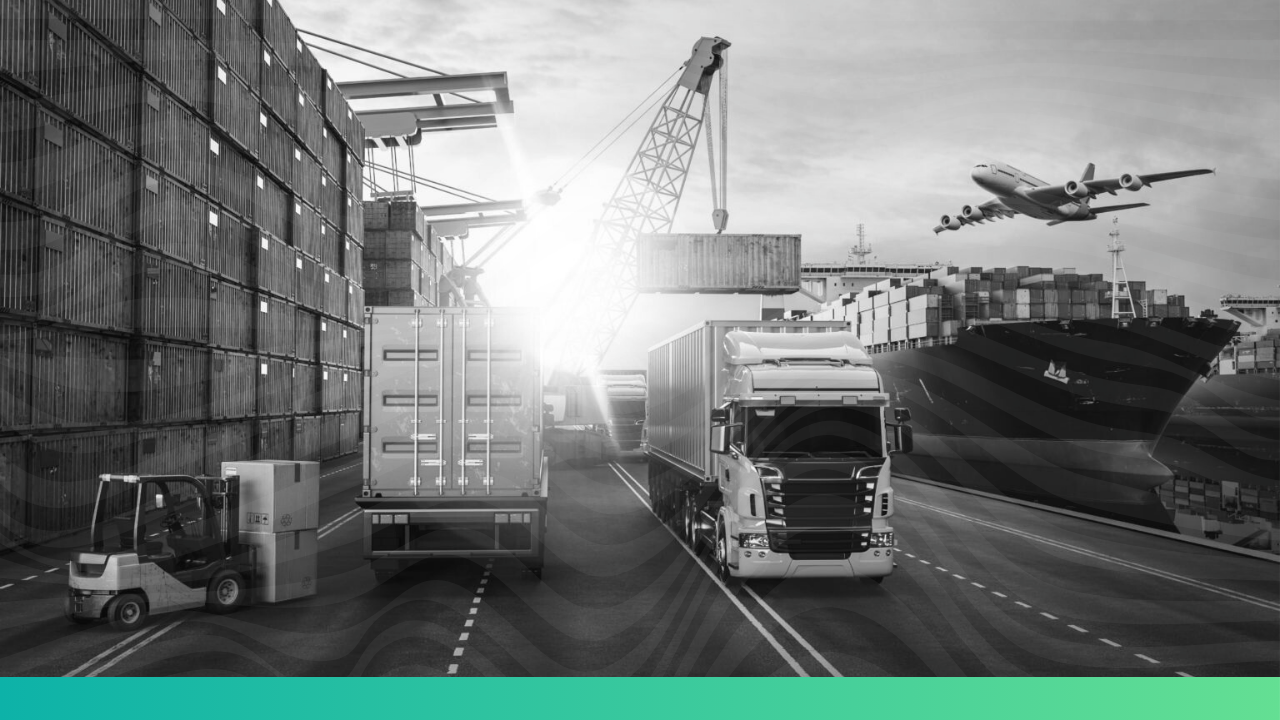
Scope 3 emission accounting for upstream and downstream activities
Scope 3 emissions could soon become mandatory as they represent over 75% of the total GHG gas emissions of a company. Hence, it is imperative that organisations start strategising for Scope 3 emissions measurement.

CBAM rules: How importers need to file their CBAM report
CBAM rules for using the specific reporting template are different for importers and suppliers. CBAM rules for using the specific reporting template are different for importers and suppliers. An exporter from outside the EU is mandated to provide details of the embedded emissions, production routes and production processes. Here is a look at steps needed to submit the CBAM report.
Aluminium sector needs to look beyond adopting low-carbon energy solutions
In an insightful interview with AlCircle, Mayank Chauhan, co-founder and CEO, LogicLadder Technologies, discusses how the Indian Aluminium sector is integrating sustainability into its operations.

6 Best sustainability management practices
A look at the best sustainability management practices that businesses need to pay more attention to become sustainable.

How to select a CBAM reporting software? 5 things to consider
As the world becomes more carbon-conscious, the European Union introduced the Carbon Border Adjustment Mechanism to promote cleaner production and regulate carbon emissions for products that enter its territory. CBAM is a highly technical and complicated carbon-tax system, and slowly, it will apply to all products under the EU ETS. Naturally, the CBAM reporting tool must be highly efficient and effective. This blog is about selecting the best CBAM reporting software for end-to-end compliance journeys for EU CBAM importers and non-EU exporters.

CBAM rules for hydrogen and fertiliser sectors
CBAM for hydrogen and fertiliser: Specific monitoring, reporting and verification rules for different production processes and routes.

What has changed for CBAM default values after July 31, 2024?
CBAM default values change: An overview of the rules that change for using the default values for reporting requirements for importers and non-EU exporters.