

CBAM reporting tool for Steel: 4 easy steps for exporters
India’s $3.5 billion steel export market to Europe faces a critical turning point with the implementation of the EU’s CBAM.
EU CBAM for American Manufacturers: 5 Areas US Exporters Need to Fix Before 2027
The EU CBAM carbon border tax is bringing major shifts for American manufacturers. Is your manufacturing data truly ready for
CBAM reporting tool for Steel: 4 easy steps for exporters
India’s $3.5 billion steel export market to Europe faces a critical turning point with the implementation of the EU’s CBAM.
EU CBAM for American Manufacturers: 5 Areas US Exporters Need to Fix Before 2027
The EU CBAM carbon border tax is bringing major shifts for American manufacturers. Is your manufacturing data truly ready for

YOURSTORY | This Sustainability Cloud startup is helping companies track their carbon footprint
We are glad to announce that our firm LogicLadder and its platform The Sustainability

What is Carbon Footprint and how to reduce it?
Learn what carbon footprint means, how to measure it, and practical tips—like sustainable transport,
BRSR reporting fundamentals every Indian company must know
BRSR Reporting is now a legal and strategic necessity for India’s top listed companies.

Common PCAF Reporting Challenges (+ How The Sustainability Cloud solves them?)
Financed emissions measurement isn’t optional anymore. Yet most financial institutions struggle with manual calculations,

ESG reporting in KSA: Time to reinvent traditional ESG consulting?
ESG reporting in KSA is evolving and businesses are struggling to decide the

CBAM Compliance Vietnam: 5 Ways Manufacturers Can Prepare for EU CBAM Before 2027
CBAM Compliance Vietnam: 5 essential carbon tracking strategies Vietnamese manufacturers must implement to secure

CBAM Reporting: Steps to request delayed CBAM report submissions
Importers and exporters facing issues in submitting the quarterly CBAM reports can now request

How Groundwater is recharged?
Have you ever wondered the water you drink where it comes from? The fresh
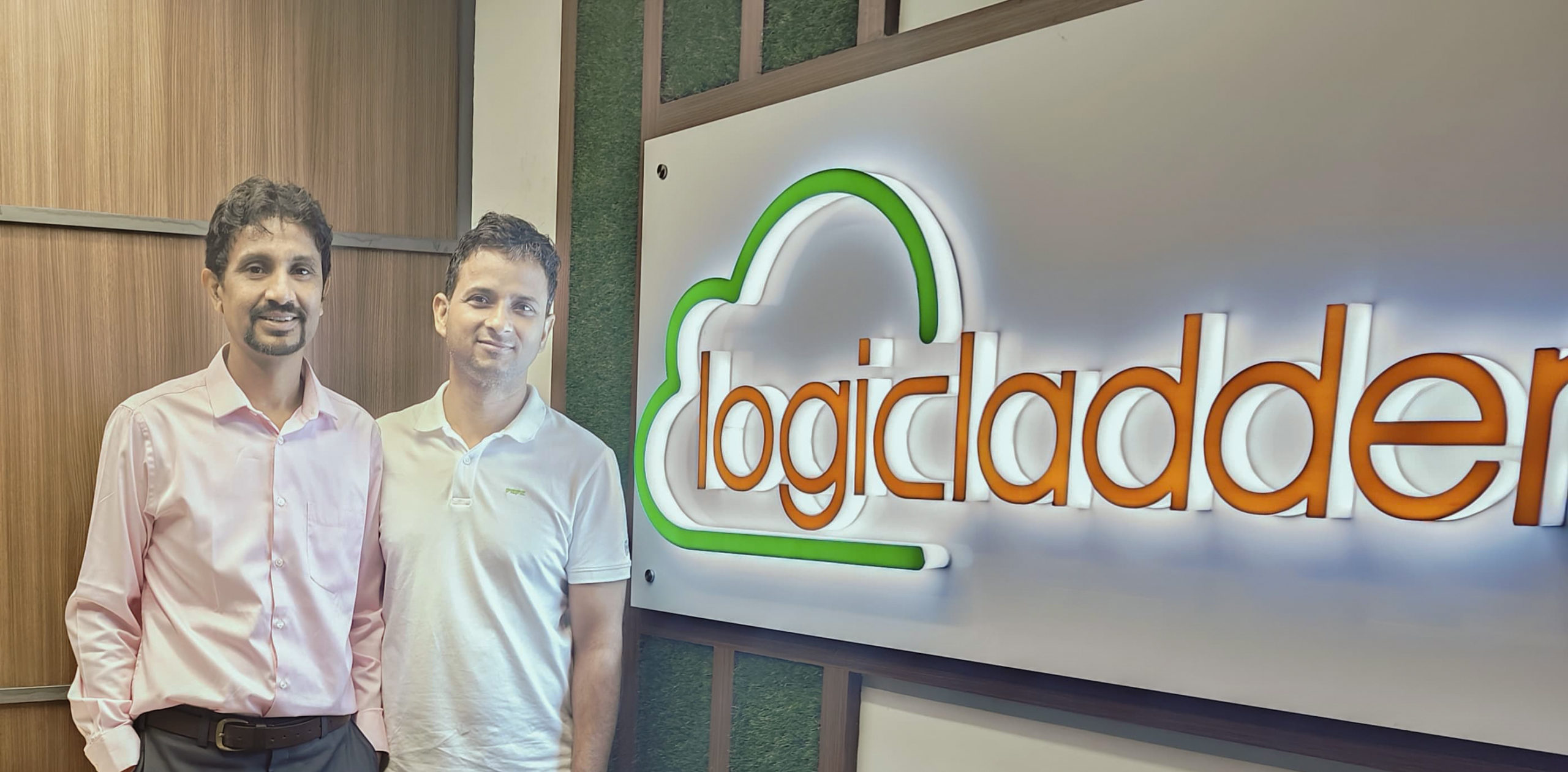
LogicLadder secures $2.5 mn funding from BIG Capital and Zerodha’s Rainmatter
LogicLadder, is proud to announce the successful closure of a new funding round led by Singapore and Vietnam-based BIG Capital, Zerodha’s Rainmatter.

Understanding CBAM: Ultimate guide on who needs to file
A roadmap to fulfil the CBAM reporting guidelines, and compliances for importers and non-EU operators before importing their products into the EU without incurring penalties.

Navigating the climate-neutral economy: A practical guide for businesses
In today’s ever-changing business landscape, staying ahead of the curve is essential for long-term success. But what if we told you that the key to future-proofing your business lies in

CPCB and SPCB guidelines for CEMS and SPM
CPCB and SPCB: An overview of regulatory guidelines for pollution control and monitoring air pollution.

Carbon Accounting basics: Everything you need to know
Discover what carbon accounting is, why it matters, and how tracking Scope 1, 2, and 3 emissions empowers businesses to reduce GHGs, drive sustainability, and achieve long-term climate goals.

Data Diode and its application in Industrial IoT
IIoT or Industrial Internet of Things, defined as the interconnected network of sensors, instruments, and other devices with industrial equipment for their monitoring, has undoubtedly changed the face of manufacturing.

What is Overall Equipment Efficiency(OEE) and how to calculate it?
Discover Overall Equipment Efficiency (OEE)—how to calculate availability, performance, and quality metrics to boost manufacturing productivity and eliminate process losses.

Top 10 ML/AI use cases in Manufacturing Industries
Explore the top 10 AI/ML use cases transforming manufacturing—from predictive maintenance to energy forecasting—in our latest insight on smart industry innovation

Role of IoT in manufacturing industries
Discover how IoT transforms manufacturing—boosting asset uptime, predictive maintenance, energy management, and inventory tracking for smarter operations.