
R.N. Gupta and Co. enables seamless EU exports with TSC netzero CBAM reporting.
Ludhiana-based manufacturing exporter R.N. Gupta and Co. partnered with The Sustainability Cloud to build an audit-ready CBAM reporting framework aligned with evolving EU carbon regulations
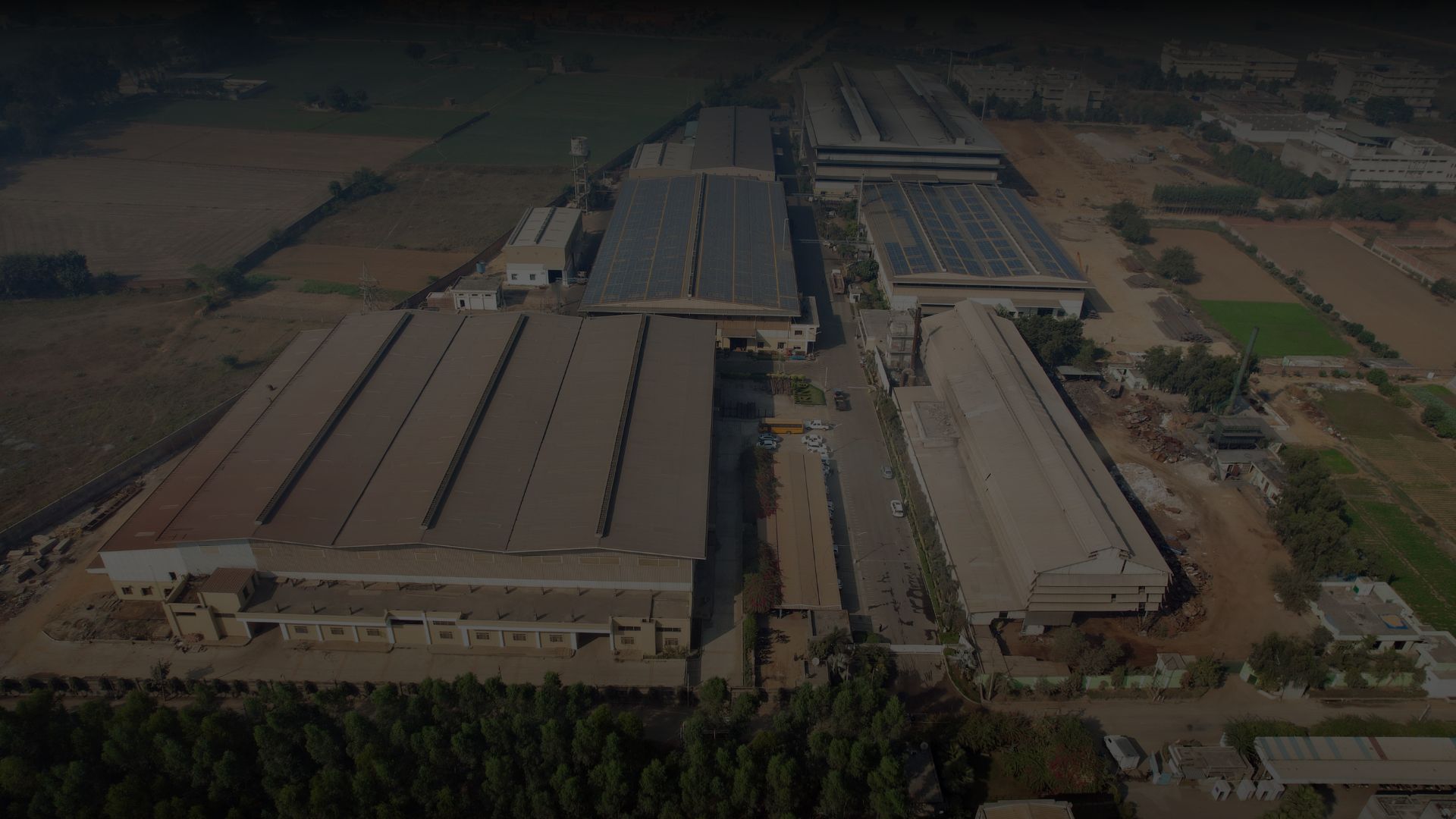
Industry: Automobile, railway Manufacturing
Export Markets: EU
TSC Solution used: CBAM Reporting
Use cases:
- CBAM emissions accounting for export products
- Full value-chain emissions mapping (materials, production, logistics)
- Supplier and logistics emissions data integration
.
- Automated CBAM report generation
- Audit-ready carbon data management
- Foundation for future EU climate reporting requirements
About the company
At its Bara Cement Works in Uttar Pradesh, UltraTech recognised the growing need to digitise its environmental monitoring systems. Despite having advanced infrastructure, the plant still relied on fragmented, semi-manual processes to track emissions and effluent quality. This approach made real-time analysis difficult and slowed compliance reporting, especially as CPCB guidelines demanded continuous monitoring with greater transparency. To address this, UltraTech adopted TSC Enviro to centralise data collection, automate reporting, and gain sharper insights into environmental performance across key parameters.
As climate-linked trade regulations such as the EU’s Carbon Border Adjustment Mechanism (CBAM) come into effect, R.N. Gupta & Co. recognised the need to strengthen its emissions measurement and reporting capabilities to meet buyer expectations and ensure uninterrupted exports.
Problem: Navigating CBAM compliance for EU-bound exports
The introduction of the EU’s Carbon Border Adjustment Mechanism (CBAM) placed new obligations on exporters to the EU to quantify and disclose embedded emissions for each product category.
Importers from the EU were demanding CBAM declarations even before finalising purchase orders, but for R.N. Gupta and Co., emissions data was distributed across suppliers, internal operations, and logistics partners, with no single system to track lifecycle emissions comprehensively. There was also no unified/centrally available solution for tracking, consolidating, and reporting.
Manual approaches were time-intensive and carried the risk of inconsistencies, creating uncertainty around compliance readiness for EU buyers.
Methodology: Building a structured CBAM reporting framework with TSC
To address these challenges, R.N Gupta and Co. implemented TSC NetZero as a centralised CBAM compliance platform. The solution mapped emissions across raw materials, manufacturing processes, packaging, storage, domestic transport, and export logistics. Supplier and logistics data were integrated into a unified system, enabling automated emissions calculations aligned with CBAM requirements. The platform generated structured, audit-ready CBAM reports in formats accepted by EU customers, replacing fragmented workflows with a repeatable and transparent reporting process.
Centralised Visibility for Cross-Functional Teams
Environmental monitoring is not just a regulatory function, it influences plant operations, maintenance scheduling, and sustainability strategy. UltraTech’s sustainability, operations, and compliance teams now rely on a unified dashboard.
For instance, a spike in effluent discharge can be traced back to its source immediately, allowing maintenance teams to address the root cause. Leadership, in turn, can use historical trend reports to guide long-term planning.
Implementation & Timeline
● Phase 1: Supply chain study; partner/supplier data gathering
● Phase 2: Plant-level emissions instrumentation and calibration; software onboarding
● Phase 3: Automated data capture (production, storage, logistics) and dashboard validation
● Phase 4: CBAM report preparation, peer review, and release to EU customers Milestone: First EU-compliant CBAM report delivered ahead of buyer deadlines, enabling successful export.
Impact: From compliance uncertainty to export-ready confidence
With a digital CBAM framework in place, R.N. Gupta and Co. significantly reduced the time required to prepare CBAM-compliant reports while improving accuracy and traceability. The structured emissions data strengthened confidence among EU buyers and ensured uninterrupted exports to key markets. Beyond immediate compliance, the system established a scalable data backbone to support future CBAM phases and evolving carbon disclosure requirements.