
CBAM Software for Steel Exporters: 6 most common data errors(And How to Fix Them)
CBAM software for steel exporters: Learn the 7 mistakes steel exporters must avoid before 2026.

Kuwait’s ESG moment has arrived – and the companies that act now will lead it
Across Kuwait’s capital markets, ESG reporting is shifting from a good intention to a genuine strategic differentiator. The companies building
CBAM Software for Steel Exporters: 6 most common data errors(And How to Fix Them)
CBAM software for steel exporters: Learn the 7 mistakes steel exporters must avoid before 2026.
Kuwait’s ESG moment has arrived – and the companies that act now will lead it
Across Kuwait’s capital markets, ESG reporting is shifting from a good intention to a genuine strategic differentiator. The companies building

CBAM for cement sector: Guidelines for non-EU exporters and EU-importers
A detailed roadmap for non-EU exporters of cement products under CBAM to ensure accurate
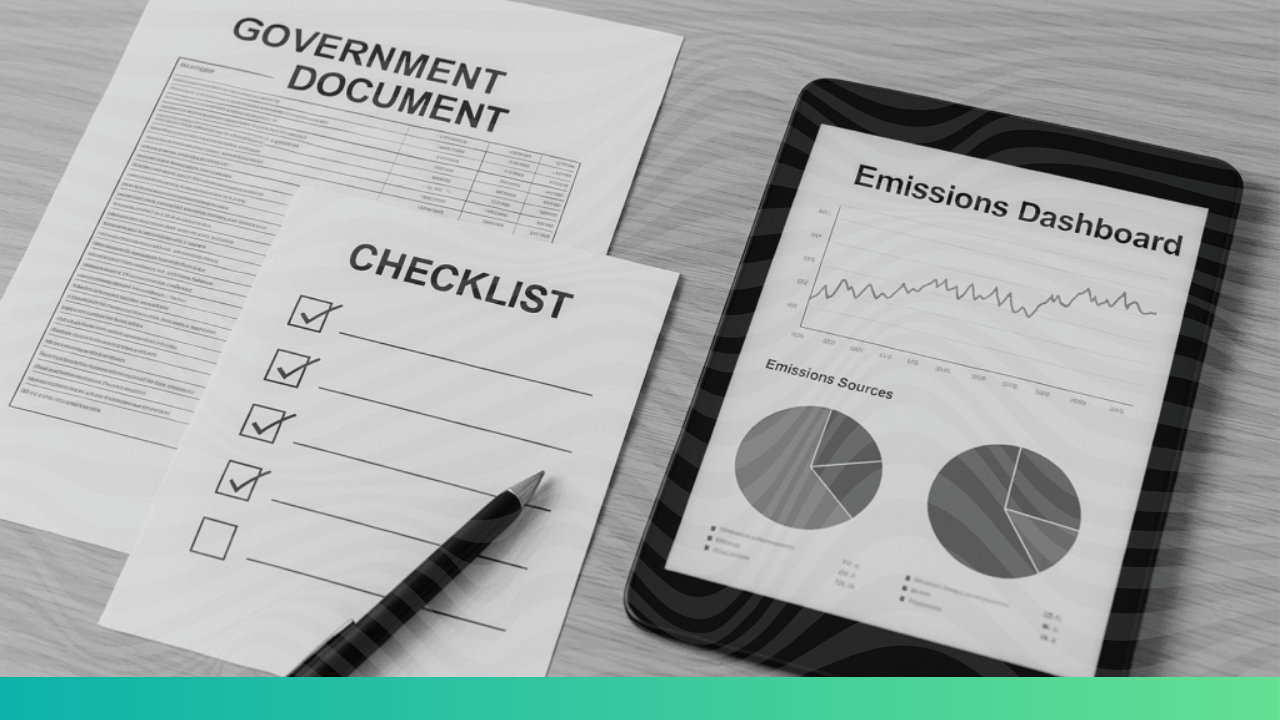
The 3 most important documents for CCTS Application
The Carbon Credit Trading Scheme (CCTS) has been launched in India. It involves multiple

CGWA guideline – June 2021 for water meter with telemetry for groundwater extraction
June 2021 CGWA guidelines on the extraction of groundwater via the use of a

LogicLadder bags the Red Herring Top 100 Asia
LogicLadder’s platform, The Sustainability Cloud, wins prestigious Red Herring Top 100 Asia award for

CBAM reporting essentials every non-EU exporter must know
An outline of guidelines and compliances that must be followed by non-EU operators under

5 Reasons exporters need a CBAM reporting tool
The Carbon Border Adjustment Mechanism (CBAM) demands complex emissions data from non-EU exporters for
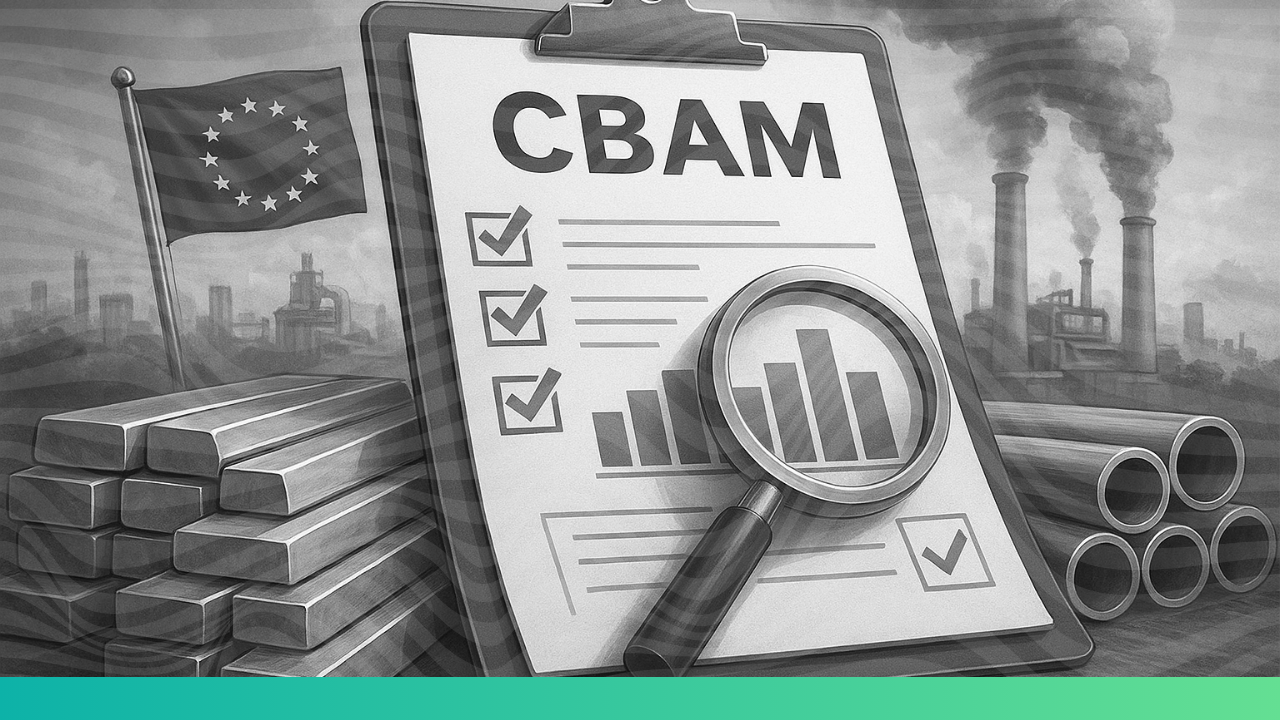
CBAM update: EU leaves Indirect Emissions out of scope for metals and scrap is now a separate product: Know more!
The European Union has released a critical CBAM update that reshapes how metal exporters

Role of IoT in manufacturing industries
Discover how IoT transforms manufacturing—boosting asset uptime, predictive maintenance, energy management, and inventory tracking

Best CBAM Softwares in Brazil 2026
This blog explores the best CBAM softwares in Brazil for 2026, comparing leading carbon accounting platforms and how The sustainability Cloud stands out!

Best CBAM Software in the USA 2026
This blog explores the best CBAM software in USA for 2026, comparing leading carbon accounting platforms and how The sustainability Cloud stands out!

Best CBAM Software in Vietnam 2026
This blog explores the best CBAM software in Vietnam for 2026, comparing leading carbon accounting platforms and how The sustainability Cloud stands out!

PCAF Carbon Accounting Methodology: Only Guide needed for Financial Institutions
Master the PCAF carbon accounting methodology to measure financed
emissions. Learn implementation steps, industry challenges, and regulatory compliance for banks and investors.

Supplier Assessment Process: Complete Guide to building a resilient supply chain
Your suppliers can make or break your business. A robust supplier assessment process helps you evaluate vendors before onboarding and continuously monitor their performance across quality, compliance, financial stability, and

ESG Regulations Oman: ESG reporting evolution demands strategic action: From impact to financial risk
ESG Regulations Oman: ESG reporting evolution demands strategic action: From impact to financial riskOman’s approach to ESG is closely aligned with its long-term national priorities, as the country looks to

EU CBAM Verifiers: Complete Guide and Checklist for Indian Exporters (2026 Ready)
EU CBAM verifiers are a critical part of the Carbon Border Adjustment Mechanism (CBAM) ‘s definitive phase, which starts on January 1, 2026. Recent published regulations also point to one

CPCB’s new Directive for NCR Delhi Industries: OCEMS PTZ Camera Installation
Delhi–NCR industries (food, textile, metal) must now install OCEMS and PTZ cameras with real-time data transmission to CPCB/SPCB servers, as per a new CPCB directive. Mandatory monitoring includes PM for all units, and PM + SO₂ + NOₓ for metal units, with full compliance required by 31 December 2025. The Sustainability Cloud offers end-to-end OCEMS + PTZ installation, integration, calibration, and upkeep to help industries become CPCB-compliant on time.
CBAM update: EU leaves Indirect Emissions out of scope for metals and scrap is now a separate product: Know more!
The European Union has released a critical CBAM update that reshapes how metal exporters will navigate the world’s most ambitious carbon-border mechanism. According to the latest announcements, the EU will